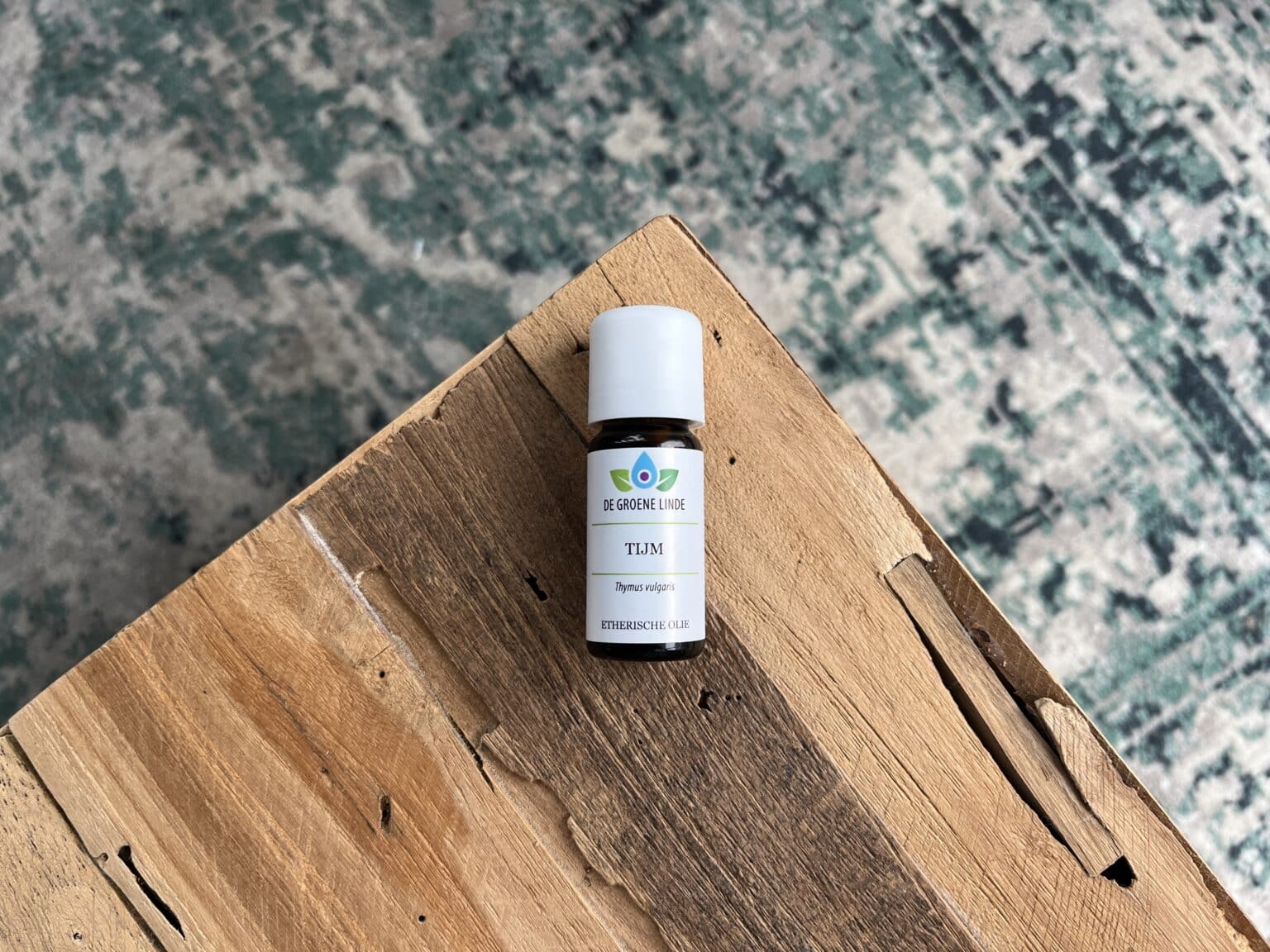

We’re all familiar with thyme as a culinary herb. It’s a lovely way to flavour your dishes. But did you know that thyme is also available as an essential oil? Not that you should go and put it in your kitchen cupboard just for the flavour!! But there are loads of things you can do with it!
Wild thyme is a small evergreen plant with tiny lilac flowers. Bees, in particular, are fond of these little flowers. The essential oil is distilled from the flowering plant.
Thyme is a bright reddish-brown oil with a slightly medicinal scent. The scent is very strong, so you’ll either love it or hate it 😊. The name comes from `thymos` what ‘perfumery’ means. It is also said that the word ‘thyme’ is derived from the Greek word for courage. This is because the herb has such a invigorating effect that, during the Middle Ages, it came to symbolise bravery.
People who could really benefit from this all-natural essential oil find it difficult to set boundaries and stand up for themselves. They often find it hard to know exactly what they really want.
What can you use thyme for?
Thyme promotes mindful and rational thinking and is the perfect oil for people who dream a lot and could do with a bit of extra focus. This single essential oil is also beneficial for people who are deeply engaged in spiritual life, to the extent that they find it difficult to function effectively in everyday reality. Thyme is helpful for mental stress and promotes understanding and willpower.
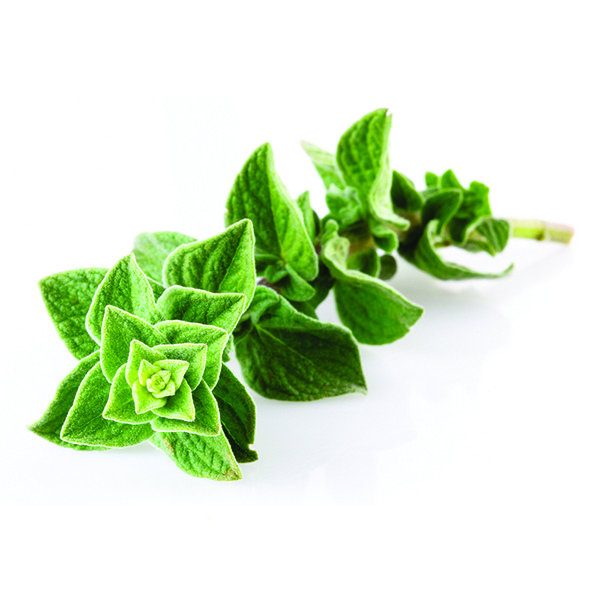
Thyme is a rather ‘medicinal’ oil and can be used for a wide range of purposes. The oil has antibacterial and antifungal properties and helps relieve cramps. This naturally pure, single-note oil works incredibly well for colds, sore throats, coughs and inflammation. So it’s a brilliant oil to have at home when the R is back in the month’s name!
Thyme can also help with nervousness, poor sleep and tiredness.
If you’re feeling tired, low-spirited or lacking in self-confidence, Thyme will help get you back on track. It helps rekindle your inner fire so that you can face difficult situations with courage once again. You can also use this versatile oil to help with stiff muscles, irregular periods, bruises and contusions.
How do you use the oil?
Many people keep thyme in their kitchen as a herb to use for flavouring. However, we advise against taking thyme essential oil orally! This isn’t necessary anyway, as there are many – and safe – ways to use this oil.
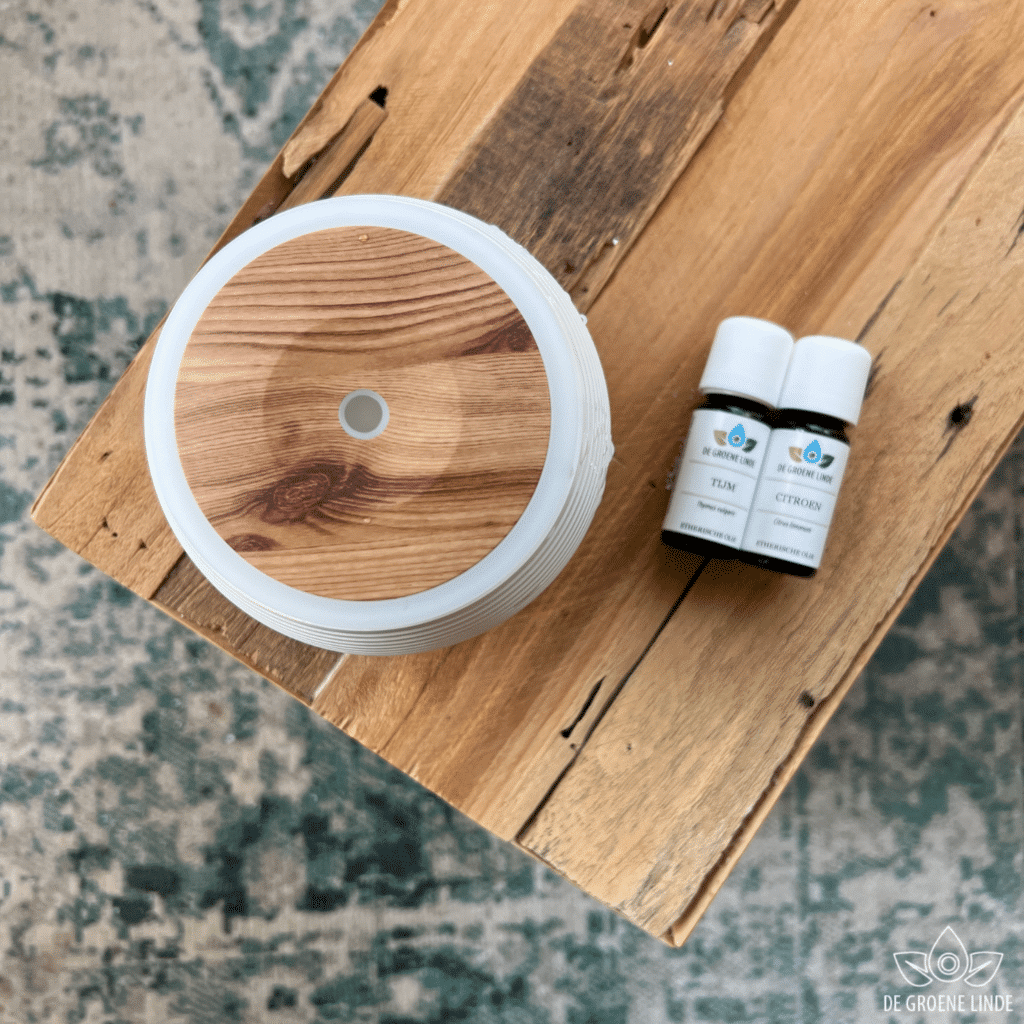
Diffuser or burner
Do you really need to stay focused, or are you feeling a bit foggy-headed? If so, take 2 dr. Tijm, 2 dr. Lemon and 1 Dr. Rosemary in the diffuser or aroma burner. You’ll find that your mind clears and you can maintain your focus with ease.
Got a cold? Switch on the diffuser or aroma burner with 2 drops of thyme, 2 drops of. Eucalyptus and 2 dr. of rosemary in water. This is also a lovely mixture for protecting the whole family against the viruses doing the rounds 😉.
In combination with Lavender Thyme can be wonderful when used in a diffuser or oil burner to help with anxiety and depression. Use a total of about 5 drops of these two scents.
Applying ointments, massaging and inhaling
If you are suffering from a bladder infection, make 50 ml of skin oil base oil and 15 dr. thyme. Apply this to the bladder area and warm it with a warm cloth or hot water bottle.
If you have a persistent cough, you can add 4 dr. of thyme to a bowl of hot water. Sit down with a towel over your head to allow the steam to work properly. Do this 1–2 times a day.
Do you suffer from stiff muscles, muscle ache or rheumatic pain? Add to 50 ml base oil Add 10 dr. of thyme, 5 dr. of eucalyptus and 5 dr. of lavender. Rub this into the sore areas several times a day.
For bruises and contusions (no open wounds!), you can use 50 ml as a base Arnica Macerate Use this and add 7 dr. thyme, 7 dr. lavender, 5 dr. Roman Chamomile and 3 PhDs. Tea Tree Add this to the mixture. Apply it to the affected area several times a day.
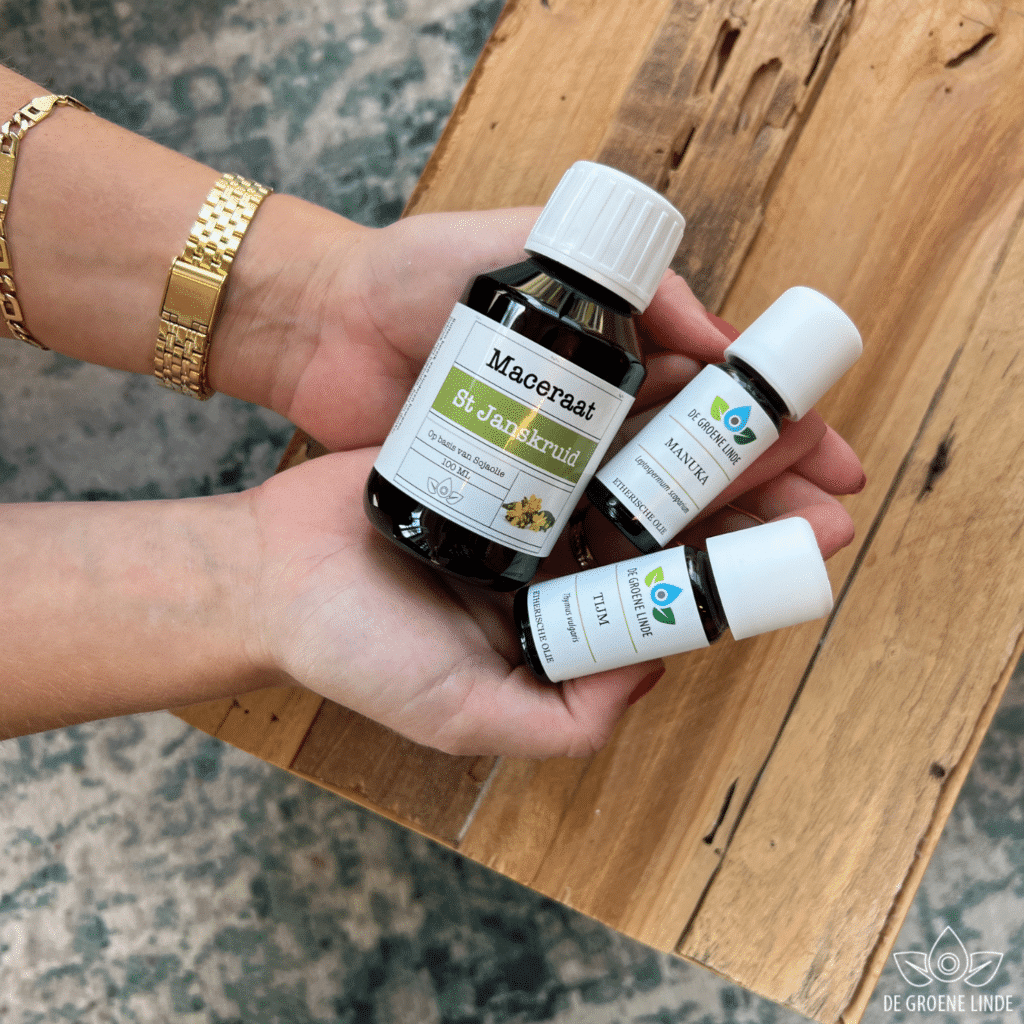
When there are lots of bacteria and viruses going round in winter, why not try adding a few drops of thyme to your hand soap? It’s a lovely way to get your hands really clean!
In a bath or foot bath
When you have the flu or a cold, it’s lovely to have a warm bath. Do be careful if you have a fever, though – in that case, it’s best not to have a warm bath. Add a dash of base oil and two tablespoons Epsom salt Mix 2 dr. Thyme, 2 dr. Eucalyptus, 2 dr. Lavender and 1 dr. Tea Tree together and add to your bath. It’s a good idea to mix the ingredients briefly first so that they dissolve properly in your bathwater. Lie back and breathe deeply in and out. Don’t have a bath at home? A foot bath with these products can also be beneficial.
If you have bruises following a fall, sore muscles or rheumatic pain, you can take a warm bath with thyme and lavender to soothe the pain. Prepare your bath as described above.
Some final information about Tijm
↠ Not use in children
↠ Thyme can soothe mucous membranes to annoy
↠ The use of thyme may, in some people, skin irritation or hypersensitivity cause. Use sparingly, only when diluted
↠ Not use during pregnancy
↠ Not Use in cases of a predisposition to epilepsy, an overactive thyroid, or high blood pressure
↠ Thyme It goes well with the following oils:
Bergamot Reggio, Lemon, Eucalyptus, Geranium, Grapefruit, Scots Pine, Lavender, Ardèche Lavandin, Lime, Mandarin, Marjolein, Lemon balm, Roman Chamomile, Rosemary, Orange
Related articles

Himalayan Cedar: keeping your feet firmly on the ground
Himalayan Cedar essential oil has a warm, deep and woody scent. A scent that can help clear your mind for a moment and bring you back to the here and now. The...
Read more

Green Lemon essential oil, a sparkling scent
We have added Green Lemon essential oil to our range. It really does have a very different scent to our standard lemon oil. You can read why this is the case in this...
Read more
Lavender – so many varieties….
On our website, you’ll find many different varieties of lavender. As a result, you can no longer see the lavender field for all the different varieties 😉 Lavender is known for its calming and relaxing effects. All...
Read more