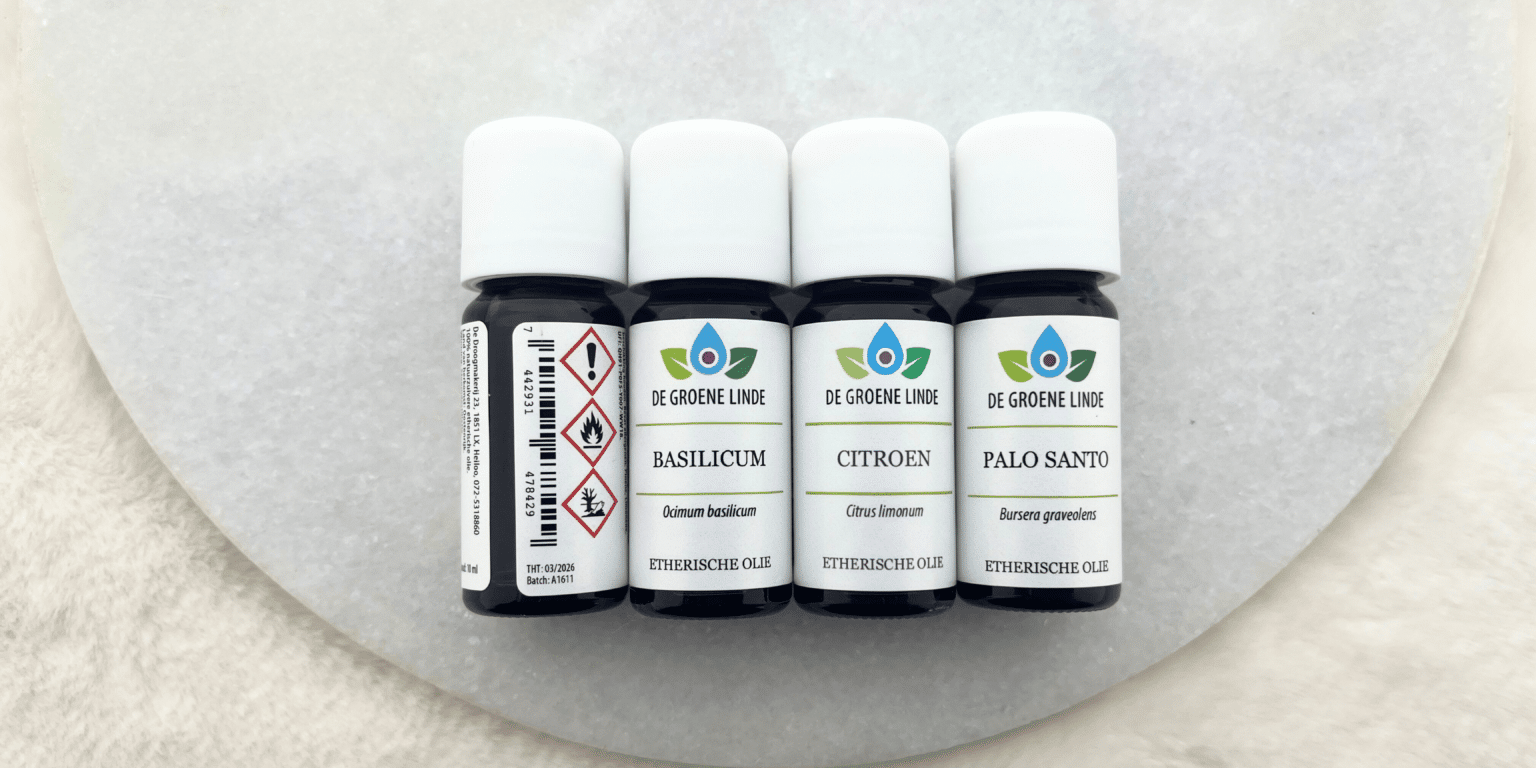

As with any product, an essential oil does not remain in good condition indefinitely. There are certain rules governing the allocation of a best-before date to a product. Our labels also feature a date, and we take great care to ensure that we apply the correct date to the label by hand. As we create every bottle and every label ourselves, we are able to specify the best-before date accurately and precisely. The shelf life of an oil also depends on how you store and use it.
As essential oils have an antiseptic effect in their own right, mould and bacteria do not affect the quality of the oil. However, oxygen and sunlight do. This can cause the scent and colour of the oil to change. As a result, you may even find that, over time, the oil smells musty or that you can no longer recognise the scent. So the longer a bottle is exposed to the air and light, the faster its quality will deteriorate. It is therefore important to store your oils correctly, so that you can enjoy your favourites for a long time to come.
It is important to keep an eye on the shelf life of your oil, especially when applying it to the skin. Never apply oil undiluted to the skin; always dilute the essential oil with a carrier oil such as sweet almond oil, jojoba or another fatty substance. After two years, it is best not to apply the oil to the skin any longer. This is to prevent a skin reaction.
If you’re using the oil in a diffuser, burner or fragrance stone, it doesn’t matter too much if the expiry date has passed. Just take a moment to smell it and see if it still has a pleasant scent. If you still like the scent, you can use it in this way with confidence.
Tips for maintaining quality
As essential oils are natural products, they do not contain any preservatives. It is therefore essential to store them correctly. This will ensure that your oil really does last longer.
🌸 Make sure you store the oil in a cool, dark place. The amber-coloured bottles also help to preserve the oil’s quality for longer.
🌸 Make sure you don’t expose the oil to too many temperature fluctuations. This can also cause the quality to deteriorate.
🌸 Make sure you screw the cap on tightly when you put the bottle away, so that no air gets into the oil.
🌸 Write the date you opened it on the label of the oil bottle. That way, you can be sure that your oil is still fit for use and know how long it has been open. This is particularly important when using it on the skin.
🌸 Make sure the pipette or dropper from the bottle does not come into contact with the skin.
🌸 Take care when adding the oil to water so that no water gets onto the dropper or pipette.
The shelf life of various essential oils
As well as all these tips, the type of oil you have at home also makes a difference. Some oils have a longer shelf life than others. It is, however, a good idea to ensure that you do not use an oil applied to the skin for longer than two years.
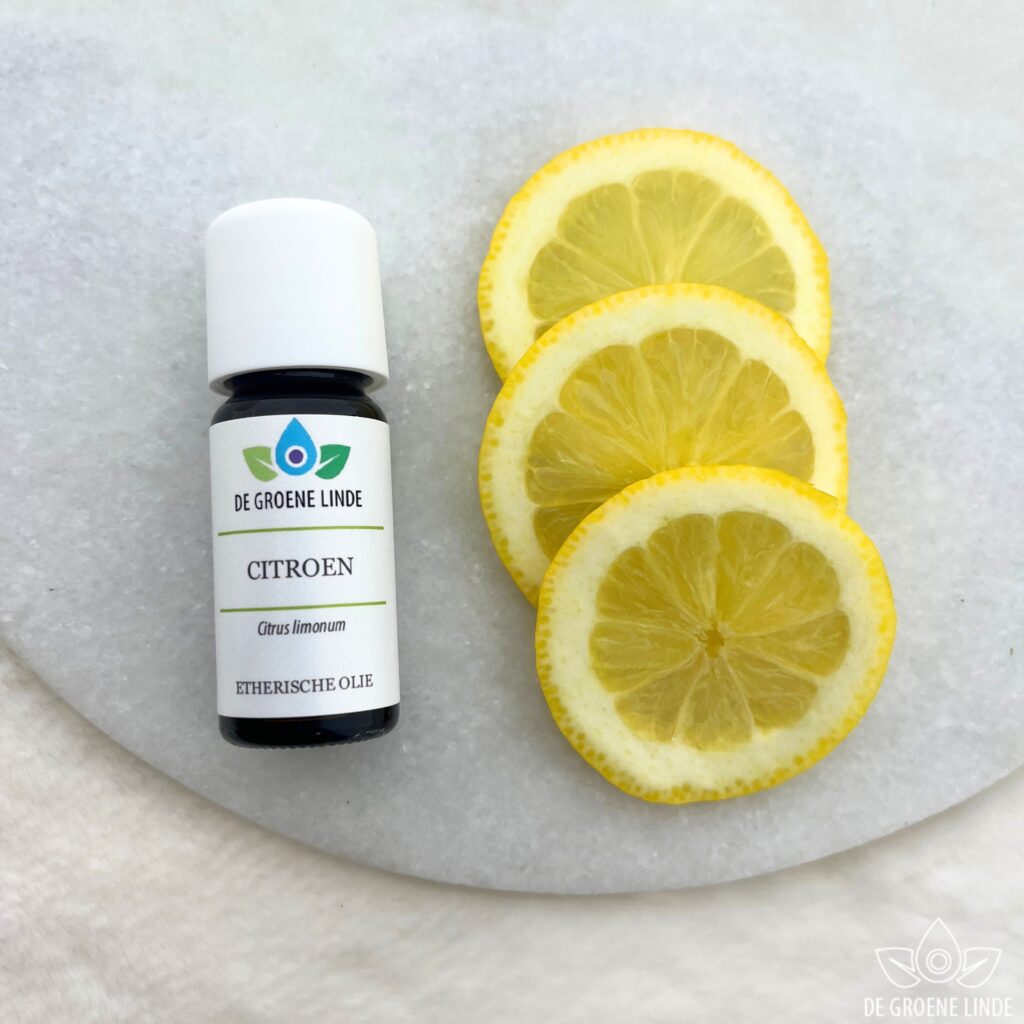
𝙲𝚒𝚝𝚛𝚞𝚜 𝚘𝚕𝚒ë𝚗 such as Lemon, Bergamot, Lime etc., have the shortest shelf life. For use on the skin, the oil will remain usable for up to two years after opening. After this, you can still use the oil in a diffuser, but it is best not to use it on the skin any longer.
𝙼𝚞𝚗𝚝𝚊𝚌𝚑𝚝𝚒𝚐𝚎 𝚘𝚕𝚒ë𝚗, such as Spearmint and Eucalyptus and flower oils, such as Geranium and Rose, have a shelf life of 3 years.
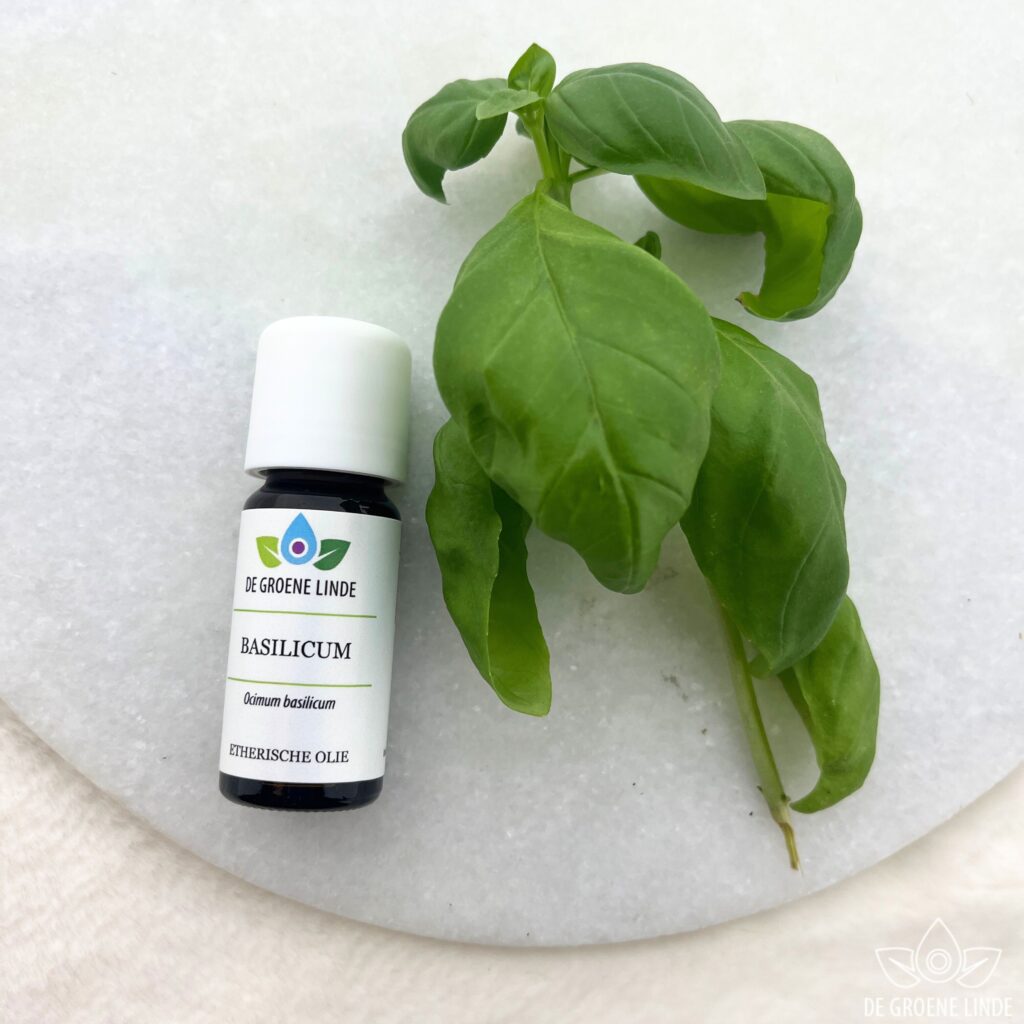
𝙺𝚛𝚞𝚒𝚍𝚒𝚐𝚎 𝚘𝚕𝚒ë𝚗 such as Basil, Thyme, Oregano etc. have a shelf life of 3–4 years.
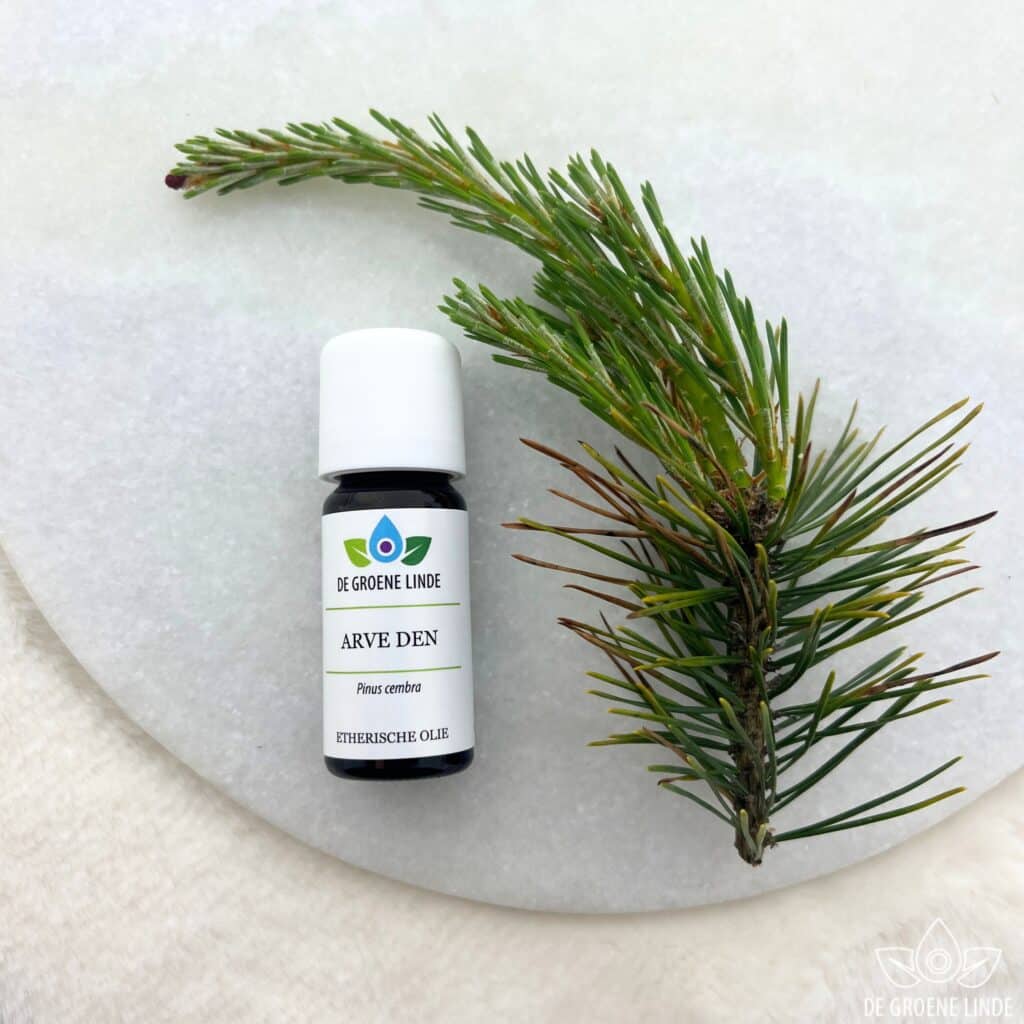
The 𝚗𝚊𝚊𝚕𝚍 𝚘𝚕𝚒ë𝚗, such as the Arve Den, Silver Fir, Scots Pine etc. have this shelf life. The same applies here to use on the skin. You can continue to use it for vapourisation as long as the oil smells nice and doesn’t become musty.
𝙷𝚘𝚞𝚝𝚊𝚌𝚑𝚝𝚒𝚐𝚎 𝚘𝚕𝚒ë𝚗 such as Cedar wood, Sandalwood, Palo Santo etc. will last at least five years, and you can continue to use them on your skin throughout that time.
The 𝚑𝚊𝚛𝚜𝚊𝚌𝚑𝚝𝚒𝚐𝚎 𝚘𝚕𝚒ë𝚗 have a very long shelf life. They’ll easily last for 6 years or more – provided, of course, they’re stored and used correctly. A resinous oil, for example, is the Elemi, Myrrh and Benzoin.
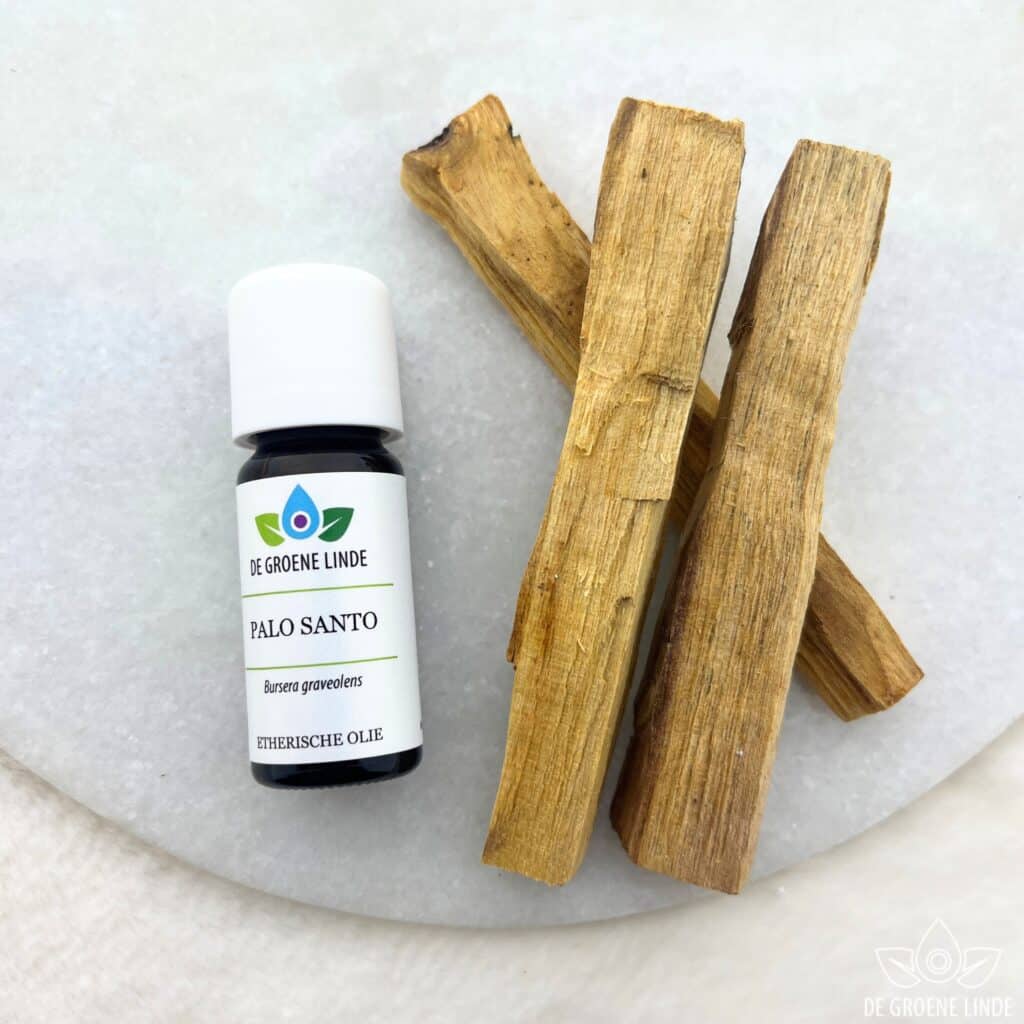
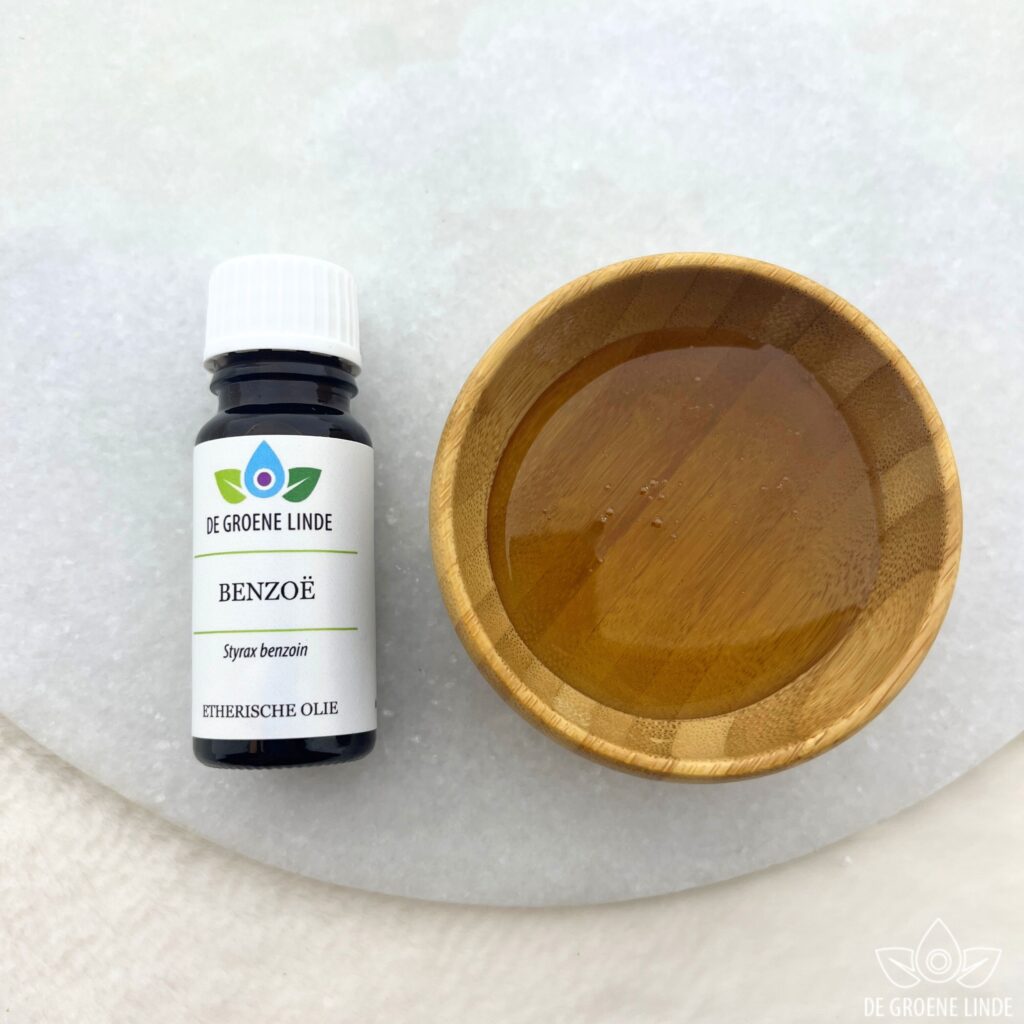
The correct dates are indicated on our essential oil bottles for each variety. For the essential oils we sell in a 10% solution with jojoba oil, we specify a shelf life of 2 years. These are the more expensive oils, such as jasmine and rose. The 10% solutions containing alcohol have a shelf life of 3 years. These include oils such as oakmoss and mimosa.
The shelf life of blends
As we incorporate all these different types of oils into our blends, determining the shelf life is somewhat more difficult. However, if, for example, a citrus oil is included in a blend, the short shelf life of the citrus oil does not directly affect the blend. That is why we have decided to give all our blends a best-before date of 3 years. After these 3 years, it’s a good idea to let your nose do the work again. If the scent still smells good and fresh, you can still use it for diffusing with confidence.
Shelf life of massage oils, base oils, bath oils and rollers
As these products are normally applied to the skin, it is advisable to stick to a shelf life of one year for them. Even if you buy a massage blend and mix it yourself with a carrier oil, it is a good idea to write the date of opening on the container. That way, you can be sure you don’t keep using your oil for too long.
As well as the use-by date we specify, it’s always a good idea to keep checking and smelling the oil once it has passed its use-by date. Often, an oil can actually last a little longer, especially if it’s used and stored correctly.
𝙻𝚒𝚎𝚏𝚜 𝚁𝚎𝚋𝚎𝚌𝚌𝚊
Related articles
Himalayan salt and Epsom salt: all the things you can do with them
On our website, you can find two different types of salt. What’s the difference between them, and what can you use them for? In this blog post, I’ll take you through...
Read more
Working with the biotensor, listening to signals
More and more people are using biotensors. Not because they’re complicated, but precisely because they help you to reconnect with your feelings and intuition. A biotensor is not some kind of magic...
Read more
The magic behind our scent frequencies
How scent frequencies are created Some scent frequencies are created by blending different essential oils. We then leave the mixture to stand for a while, so that the oils can work in synergy with one another and...
Read more