

The sacral chakra, also known as Swadhisthana or the sacrum chakra, represents feeling, creativity, sensuality and connection. This second chakra is often associated with your lower abdomen and with everything that is allowed to flow: emotions, pleasure, intimacy and a zest for life. On this page, we clearly explain what the sacral chakra means, how to recognise an imbalance and how you can gently and naturally restore balance.
What does the sacral chakra represent?
The sacral chakra is the second of the seven main chakras. It is located in the lower abdomen, just below the navel, at the level of the sacrum. In chakra theory, this energy centre is associated with themes such as emotional experience, creation and inspiration, sexuality, pleasure, movement and connection with others.
The sacral chakra is associated with the colour orange and the element of water. This fits well with the symbolism of this chakra: water moves, adapts and finds its way. In the same vein, a healthy sacral chakra is about feeling the space to experience, move, receive and let go.
Would you like to explore this topic in more depth? Then read more about the second chakra (sacral).
Characteristics of a balanced sacral chakra
When the sacral chakra feels balanced, you often don’t notice it because of a single, distinct sign, but rather through a general sense of flow. You are in touch with your feelings without being overwhelmed by them, and you can allow yourself to experience pleasure and gentleness without guilt or shame.
- You’re feeling creative and inspired
- You can recognise and express emotions
- You’ll experience more joy, playfulness and zest for life
- You’ll find it easier to be open to connection and intimacy
- You can enjoy yourself without constantly holding yourself back
- You’ll feel more confident in your body and your instincts
Balance doesn’t mean you’re always happy or stable. It’s actually about allowing your feelings to ebb and flow, without getting completely stuck or shutting yourself off.
Signs that the sacral chakra is out of balance
An out-of-balance sacral chakra can manifest in various ways. Sometimes the energy feels as though there is too little of it, and sometimes too much or too restless. In both cases, the natural sense of flow is disrupted.
If the flow is too low
- Difficulty feeling or expressing emotions
- Experiencing little enjoyment or enthusiasm
- Creative blocks
- Difficulty with intimacy or connection
- A low sex drive or a lack of connection with one’s sensuality
- Denying yourself pleasure, peace or gentleness
In the event of restlessness or overexertion
- Emotional highs and lows
- Being easily overwhelmed or over-stimulated
- Dependence in relationships
- Difficulty sensing or setting boundaries
- Seeking escapism or constant distraction
Within spiritual traditions, the sacral chakra is also often associated with the pelvic region, the reproductive organs and fluid balance. Please regard this primarily as an energetic connection, not as a medical diagnosis. If you have any physical or persistent symptoms, it is always advisable to consult a doctor or other appropriate healthcare professional.
Balancing the sacral chakra
If you want to bring more balance to the sacral chakra, it usually doesn’t help to force it. Gentleness, mindfulness and repetition often work better than taking big leaps. So choose a practice that suits you and that you can do regularly.
1. Focus your attention on your lower abdomen
Sit or lie down comfortably and place your hands on your lower abdomen. Breathe in and out calmly and focus your attention on the area below your navel. Simply focusing on this part of your body can help you connect more deeply with what you’re feeling. Do you enjoy using scents as part of your ritual? If so, you can chakra roll-ons provide gentle support around the sacral region.
2. Exercise
As this chakra is linked to flow, gentle movement can be very beneficial. Think of walking, dancing, hip-opening yoga or moving freely to music. The aim is not to perform, but to create space within your body.
3. Connect with the element of water
A bath, a shower, a swim or consciously drinking a glass of water can be a lovely ritual for reflecting on the element of water. It is often these simple moments that help us to feel more calm and at peace.
4. Provide a safe outlet for emotions
Writing, talking, engaging in creative activities or practising mindful breathing can help when emotions feel stuck. The sacral chakra isn’t about pushing emotions away, but about allowing them to flow in a safe way.
5. Encourage creativity
Creativity doesn’t have to be on a grand scale. Cooking, drawing, singing, gardening or making something with your hands can all help to nourish the energy of this chakra. It’s all about creating, playing and bringing something into being.
Food and rituals that can provide a sense of support
When it comes to the sacral chakra, people often opt for foods and rituals associated with the element of water and the colour orange. Please regard this as a supportive spiritual or wellness approach, not as a fixed rule.
- Foods with a high water content, such as cucumber, orange, mango or melon
- Orange-coloured fruit and vegetables such as carrots, pumpkin and sweet potatoes
- Quiet moments with aromatherapy, meditation or journaling
- A daily ritual in which you consciously focus on feeling, receiving and relaxing
Anyone who enjoys working with scents can choose a natural ritual that fits this theme. Within our chakra fragrance ranges You’ll find diffuser blends tailored to the chakras; ideal for meditation on the sacral chakra. Use these products particularly as a way to support mindfulness and intention.
Mantras, colours and gemstones
A few well-known associations with the sacral chakra recur time and again in spiritual traditions. They do not need to be the main focus, but they can help to deepen your concentration.
| Component | Association |
|---|---|
| Colour | Orange |
| Element | Water |
| Mantra | VAM |
| Themes | Emotions, creativity, sensuality, connection |
When it comes to gemstones, warm orange stones are often mentioned, such as carnelian or orange calcite. In addition, the following are suitable: moonstone and sunstone They work beautifully with this chakra thanks to their gentle, intuitive and vital energy. When working with them, be sure to choose a stone that feels right to you and use it, for example, during meditation or a moment of rest.
FAQ on the sacral chakra
Which gemstone is associated with the sacral chakra?
Commonly mentioned gemstones include carnelian, orange calcite and, occasionally, amber. Within spiritual traditions, these stones are associated with warmth, creativity and flow. Above all, choose a stone that appeals to you intuitively.
What foods are good for the sacral chakra?
Foods rich in water and orange in colour are often mentioned, such as cucumber, melon, orange, mango, carrot and pumpkin. This ties in with the symbolism of water and the colour orange, which are associated with the sacral chakra.
How can you tell if your sacral chakra is blocked?
This can manifest as difficulty feeling emotions, a lack of enjoyment, creative blocks, emotional turmoil or difficulties with intimacy and connection. Please regard these as spiritual signs of imbalance, not as a medical assessment.
How can you support the sacral chakra?
This can be achieved by focusing calmly on your gut, movement, creativity, water, breathing and rituals that help you to reconnect with your feelings and relax. If you’d like to put this into practice, you might also want to look into chakra roll-ons. Small, regular steps often work better than intense, occasional efforts.
Related articles

Update on The Gambia
The first consignment has arrived in The Gambia. We have some great news about our Gambia project! The first consignment of clothes, shoes, toys and other donations has arrived safely in The...
Read more
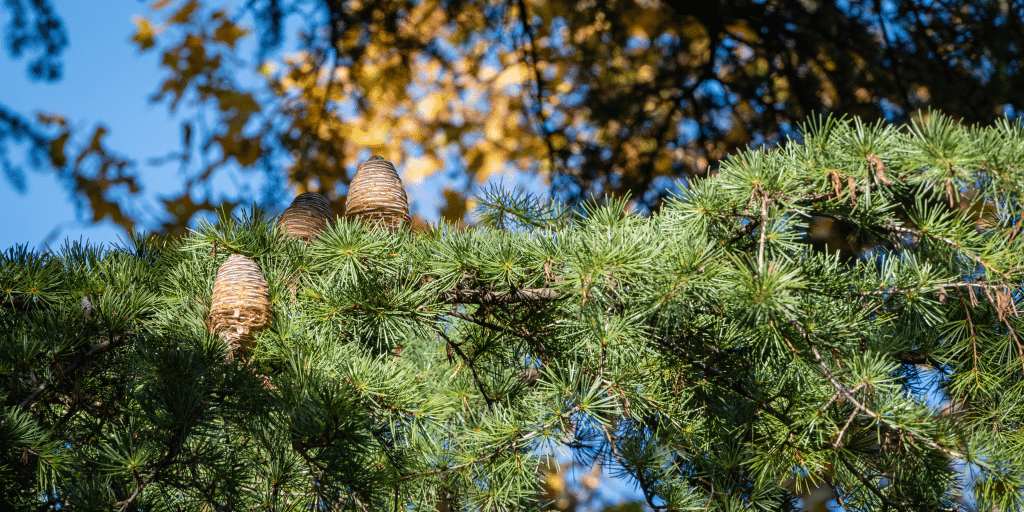
Himalayan Cedar: keeping your feet firmly on the ground
Himalayan Cedar essential oil has a warm, deep and woody scent. A scent that can help clear your mind for a moment and bring you back to the here and now. The...
Read more
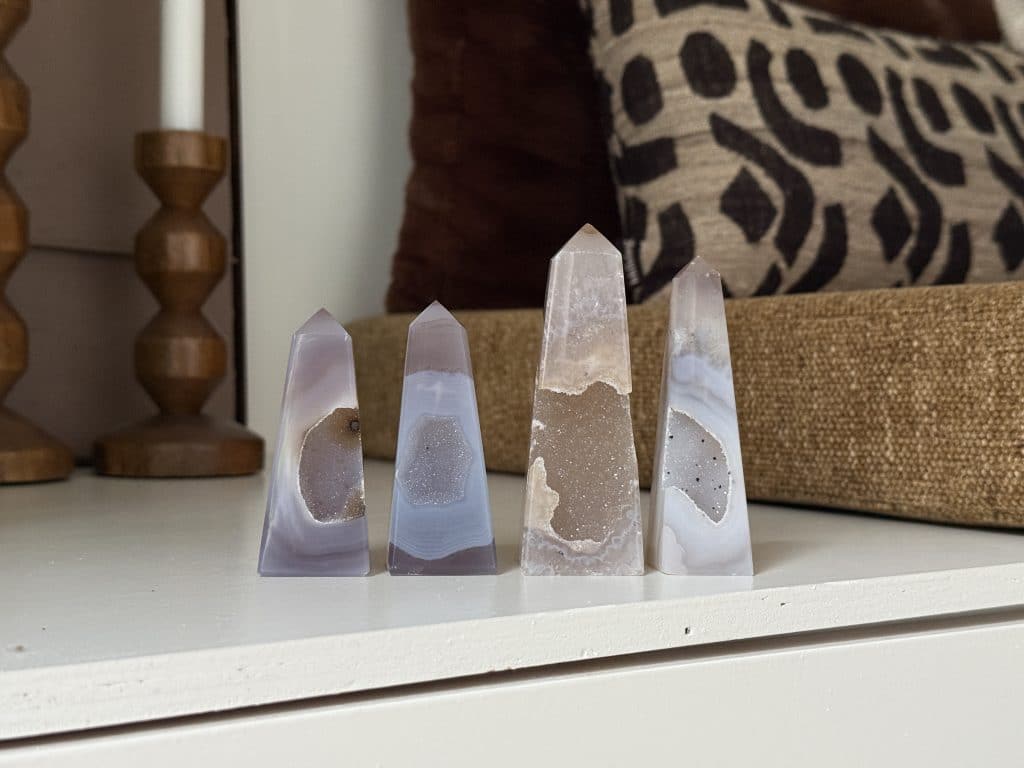
Druzy Agate, a beautiful stone that sparkles
Druzy Agate immediately catches the eye thanks to the thousands of tiny crystals that sparkle in the light. This unique stone combines the grounding properties of agate with a sparkling crystal surface that offers plenty...
Read more