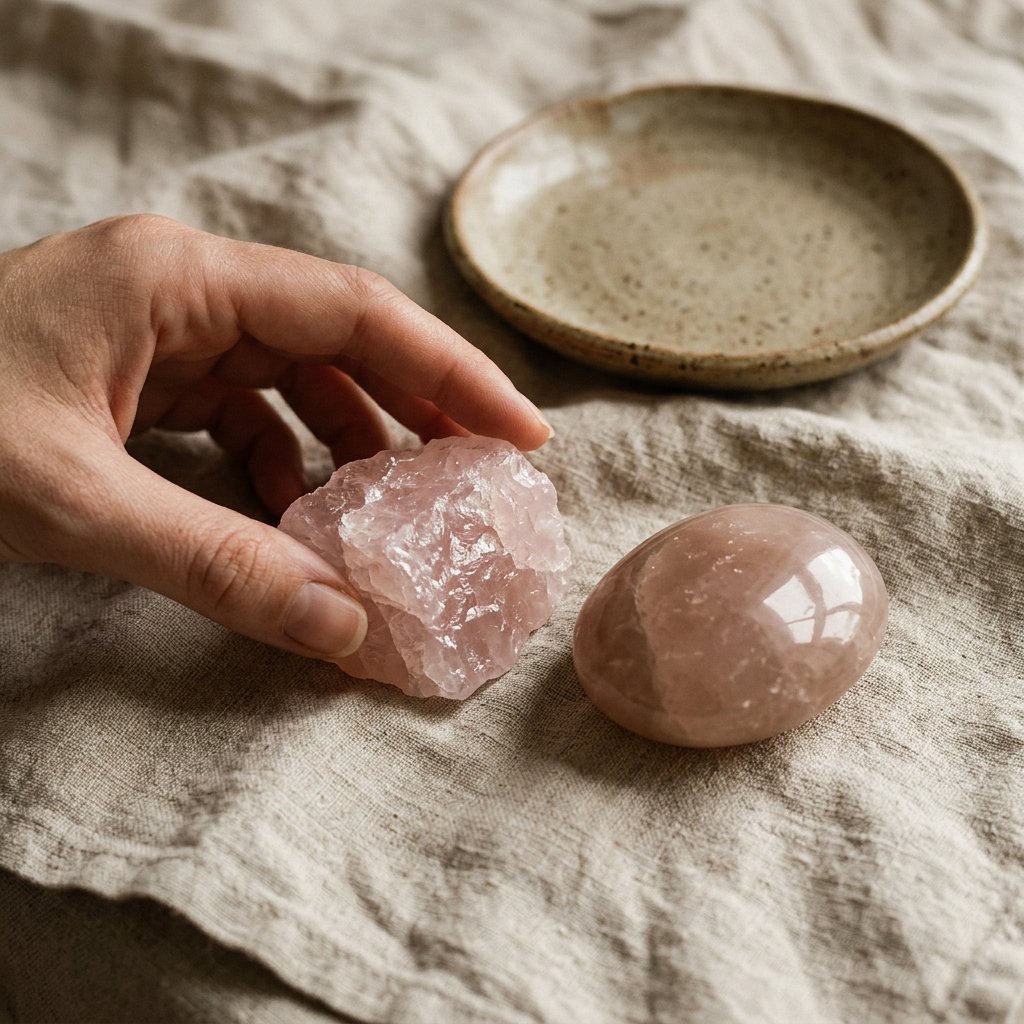

Are you torn between a rough or polished gemstone? Neither is better or worse than the other. The difference lies mainly in the finish, how the stone feels to the touch, and what you intend to use it for. A rough stone has a natural, irregular appearance, whilst a polished stone is smoother, easier to handle and often has a clearer colour and pattern. So choose based on your intended use: a permanent place in your home, on an altar, in your trouser pocket or in your hand during meditation.
What does working a stone actually involve?
|
Aspect |
Raw |
Polished |
|---|---|---|
|
Surface and shape |
Natural, irregular and sometimes with sharp edges or broken surfaces. |
Smoother, more even and more comfortable to hold. |
|
Appearance |
The texture and natural structure really stand out. |
Colour, shine and patterns often stand out more clearly. |
|
Usage |
Looks lovely in a permanent spot or as a decorative piece. |
Convenient to hold or carry around. |
|
What stays the same? |
The type of stone does not change; it is mainly the appearance, feel and practical use that differ. Some stones are beautifully rough, whilst others look better once polished. |
|
When is a rough stone a good choice?
- If you place the stone in a fixed spot, for example in your home, on an altar or in a meditation corner.
- If you like a natural look: rough pieces are all different and the natural structure remains visible, especially when clusters and geodes.
- As a natural home decoration, because rough shapes often look simple and full of character.
- Please bear in mind that rough stones vary more in shape, weight and texture, and may be less convenient to carry around with you all the time.
- Depending on the type of stone, the edges may be sharper or the texture may feel crumbly and fragile.
When is a polished stone a better choice?
- If you want to carry a stone in your trouser pocket, bag or hand and touch it often.
- When meditating, because a smooth shape is usually more comfortable to hold than an irregular, rough piece.
- If you want to see colour, lines and drawings clearly; polished pieces This often makes things come across as calmer and clearer.
- Think of shapes such as tumbled stones, massage stones and polished objects such as an obelisk, pyramid or sculpture.
Does the finish – rough or polished – affect how it works?
Many people initially associate the meaning of a stone with the type of stone itself. Whether a stone is rough or polished mainly affects how you work with it and how you experience it. For many people, a rough stone feels more earthy, more natural and somewhat more powerful in its aura, whilst a polished stone can feel softer, more even and more approachable.
What doesn’t help is thinking that one form is always better than another. Your intention, the moment and the intended use usually carry more weight. So start by choosing the stone based on the theme or property that appeals to you. Only then should you decide whether you’d prefer to use it as a rough piece, a tumbled stone or a polished object.
How do you clean and look after these stones safely?
- At Cleaning and recharging crystals The approach varies depending on the type of stone; water is not suitable for every type of stone.
- Subtle options that are often versatile include moonlight, smoke or a light, dry wipe of the surface.
- Rough stones tend to trap dust more easily in corners, open layers or small cracks.
- Polished stones are usually easier to clean because their surface is smoother.
- Not sure? Then always check first what’s suitable for that particular stone.
Gemstones are a form of support, not a substitute for medical care
Gemstones can play a valuable role in a personal or spiritual ritual, and for many people they provide a welcome source of support in fostering calm, mindfulness and intention. They are not a medical device and are not a substitute for treatment or professional guidance.
If you have any physical or mental health issues, always take them seriously and discuss them with a doctor or other appropriate healthcare professional.
Related articles
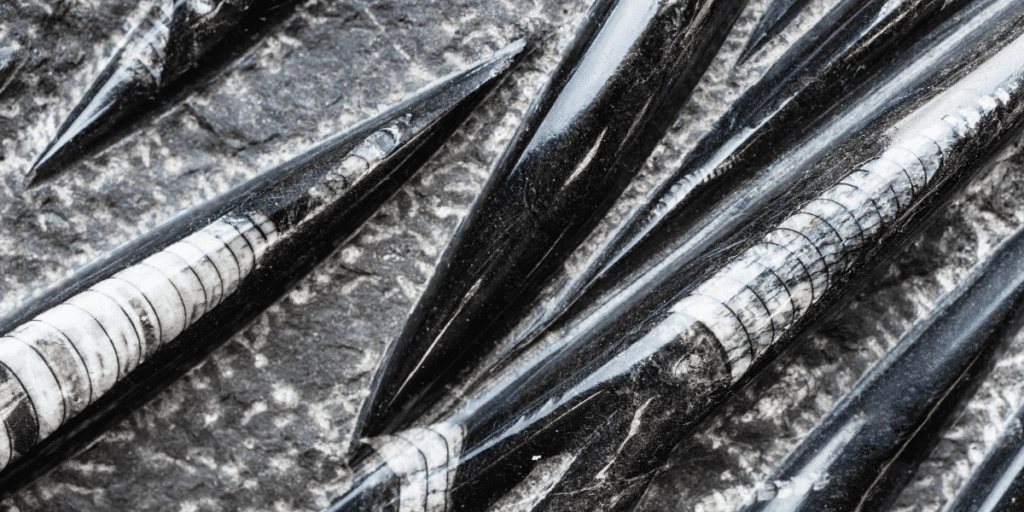
Orthoceras, the ancient wisdom of the Earth
Some stones carry a story that is far older than humankind. A story that can be clearly felt in the stone’s energy. The Orthoceras fossil is...
Read more

Working Together for Relaxation and Wellbeing in the Care Sector!
The Massage for Care Foundation is a wonderful initiative that we are delighted to be associated with. Thanks to our excellent relationship with the operational director, Eric Both, we have already been able to…
Read more
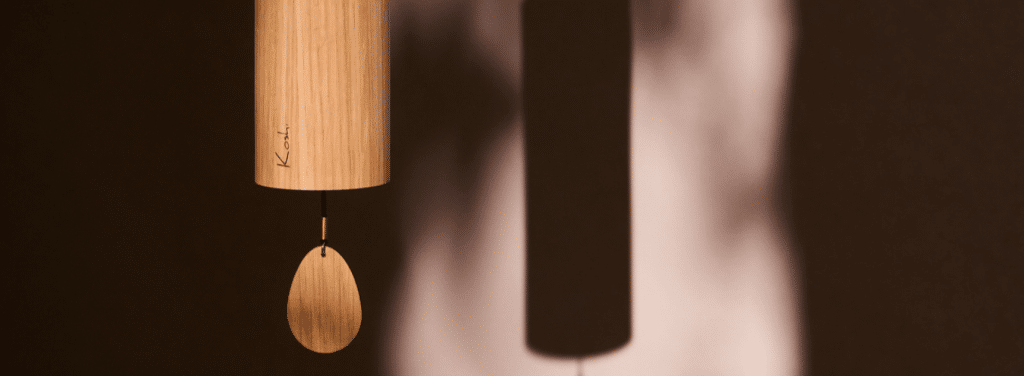
Koshi, discover the magic of sound and nature
A gentle breeze, the sound of rippling water or the rustling of leaves. Sound can have a special effect on you. It can take you out of your head and draw your attention...
Read more