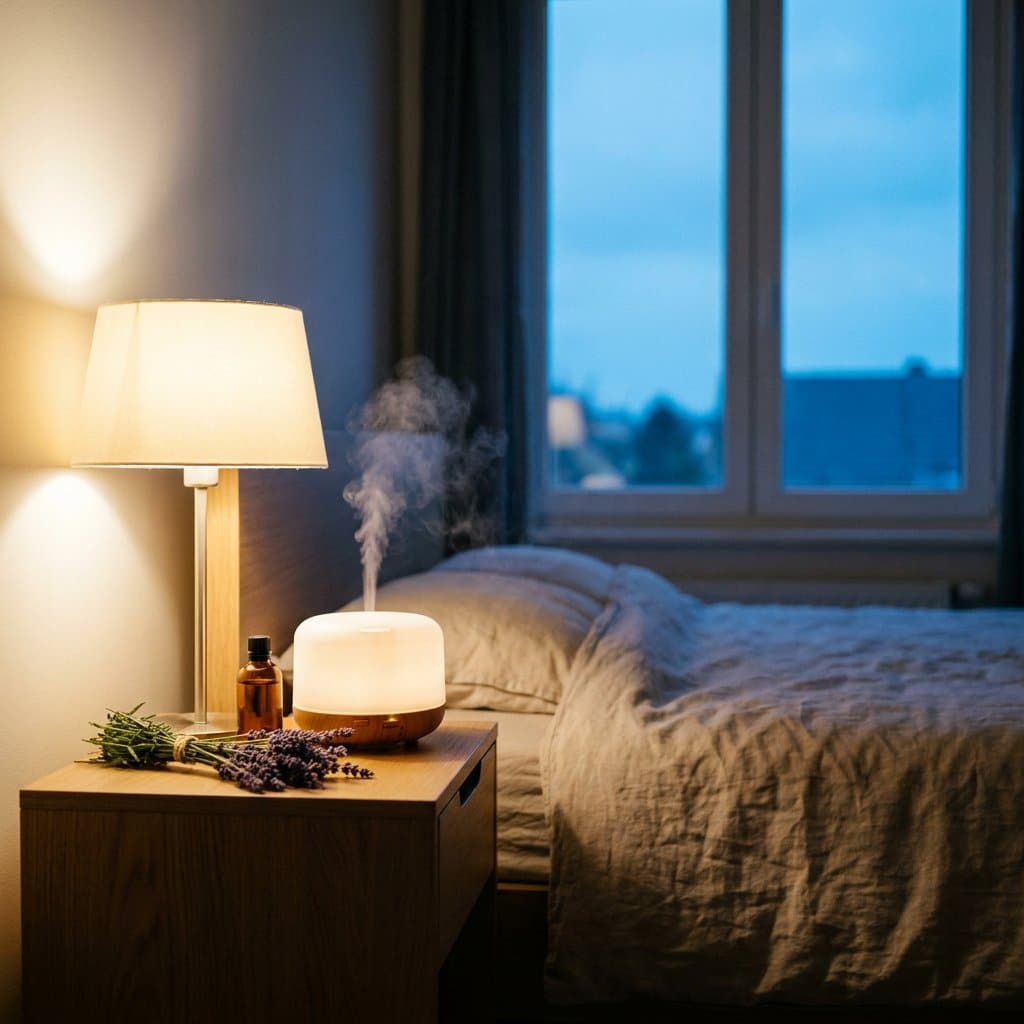

Lavender has long been known as a scent that helps you relax. Many people use lavender as part of their evening routine, when things get hectic during the day, or at times when they want to feel a little more at peace. That’s hardly surprising: the scent of lavender is often perceived as gentle, soothing and familiar.
At the same time, it’s important to keep a level head. Lavender is not a miracle cure, nor is it a substitute for medical treatment. However, for many people, the scent of lavender can be a pleasant, natural aid during a moment of calm, a massage, a bath or a bedtime routine.
Does lavender really have a calming effect?
Yes, many people find lavender soothing. This effect is mainly linked to the sense of smell. As soon as you inhale a scent, it is processed via the olfactory system in parts of the brain involved in emotion, tension and relaxation.
That’s why lavender is often used when you want to unwind, when your mind feels cluttered, or when you want to create a more soothing atmosphere in your home. However, the experience remains a personal one: some people react strongly to lavender, whilst others find its effects more subtle.
There is research suggesting that lavender and its constituents, such as linalool, have a calming effect. At the same time, not all research is equally robust, and its findings cannot always be applied directly to everyone. The most realistic expectation is therefore that lavender may help promote rest and relaxation, but its effects vary depending on the situation and the individual. Read more about the effects of lavender oil.
What effect does lavender have on your body?
Lavender is particularly prized for the sense of calm its scent can evoke. In practice, people often use lavender to create a relaxing atmosphere, to make it easier to switch from a hectic pace to a state of calm, and to make their evening routine more enjoyable.
What you might notice is usually not spectacular or immediately noticeable. The effect often lies in the subtleties: a gentler atmosphere, a less rushed feeling, finding it easier to centre yourself, or being able to relax more comfortably before bedtime. This makes lavender particularly suitable as part of a natural self-care routine.
Is lavender good for sleep?
Lavender is often used to aid sleep, particularly to make the transition into the night more peaceful. This is not usually about the firm promise of “deeper sleep”, but rather about making it easier to create a relaxed atmosphere in which to fall asleep.
That is why many people use lavender in the bedroom, with lavender on your pillow, in a diffuser or as part of an evening bath or massage. Especially if restlessness, tension or a busy mind are keeping you awake, lavender can help make your evening routine gentler and calmer. If you’re looking for something specifically for the night-time, take a look at the ‘Sleep Well’ fragrance range.
Those who are sensitive to scents often find it most effective when lavender is used regularly and at a quiet moment. Not in the midst of a rush, but precisely when you consciously slow down.
How can you use lavender if you want to feel more relaxed?
Lavender usually works best when you associate it with a regular moment of rest. This gives the scent a fixed place in your day and makes relaxation almost a habit.
Lovely ways to use lavender
- In a diffuser – to create a peaceful atmosphere in the living room or bedroom.
- As a massage oil – for a relaxing moment at the end of the day.
- In the bath – to let warmth and scent work together as an evening ritual.
- With a roll-on – handy for when you’re out and about or during busy times when you need a moment to wind down.
At De Groene Linde, you’ll find lavender in a range of products specifically designed to promote inner peace and meditation, such as essential oil, massage oil, bath oil and a roll-on. This means you can choose the form that best suits your needs and preferences at any given moment. Take a look at our products for rest and relaxation.
What can you realistically expect from lavender?
The best-case scenario is simple: lavender can help you relax, but it doesn’t automatically eliminate the cause of your restlessness. Think of it as a natural aid within a wider routine of slowing down, breathing, relaxing and looking after yourself. As well as lavender, you can also try other soothing oil explore or combine it with whatever works best for you.
If you are suffering from persistent stress, sleep problems or anxiety, the scent of lavender on its own is usually not enough. In such situations, however, it can be a pleasant addition to other forms of support.
FAQ
Is there a lavender-based sedative?
There are lavender-based products designed to promote relaxation, such as essential oil, bath oil, massage oil and a roll-on. These should be regarded primarily as natural self-care products for moments of tranquillity, not as a substitute for medical treatment.
When is the best time to use lavender?
Lavender often works best at times when you want to consciously slow down, for example in the evening, after a busy day, whilst having a bath or before going to bed. Regular use is often more effective than a one-off application.
Does lavender work the same for everyone?
No, the experience of scent is personal. Many people find lavender soothing, but the intensity of that effect varies. That’s why it’s a good idea to find out which form and which moment works best for you, and to read more about different types of lavender.
Related articles

Samenwerking in Ontspanning en Welzijn voor de Zorg!
Stichting Massage voor de Zorg is een prachtig initiatief waar wij graag mee in verbinding zijn. Door het fijne contact met operationeel directeur Eric Both hebben wij al veel mogen...
Read more

Koshi, discover the magic of sound and nature
A gentle breeze, the sound of rippling water or the rustling of leaves. Sound can have a special effect on you. It can take you out of your head and draw your attention...
Read more

Working with Koshi’s, the magic of sound and the four elements
Perhaps you’ve experienced that moment when someone plays a Koshi. During a yoga class or some other relaxing moment. The first notes sound clear and soft, and then seem to….
Read more