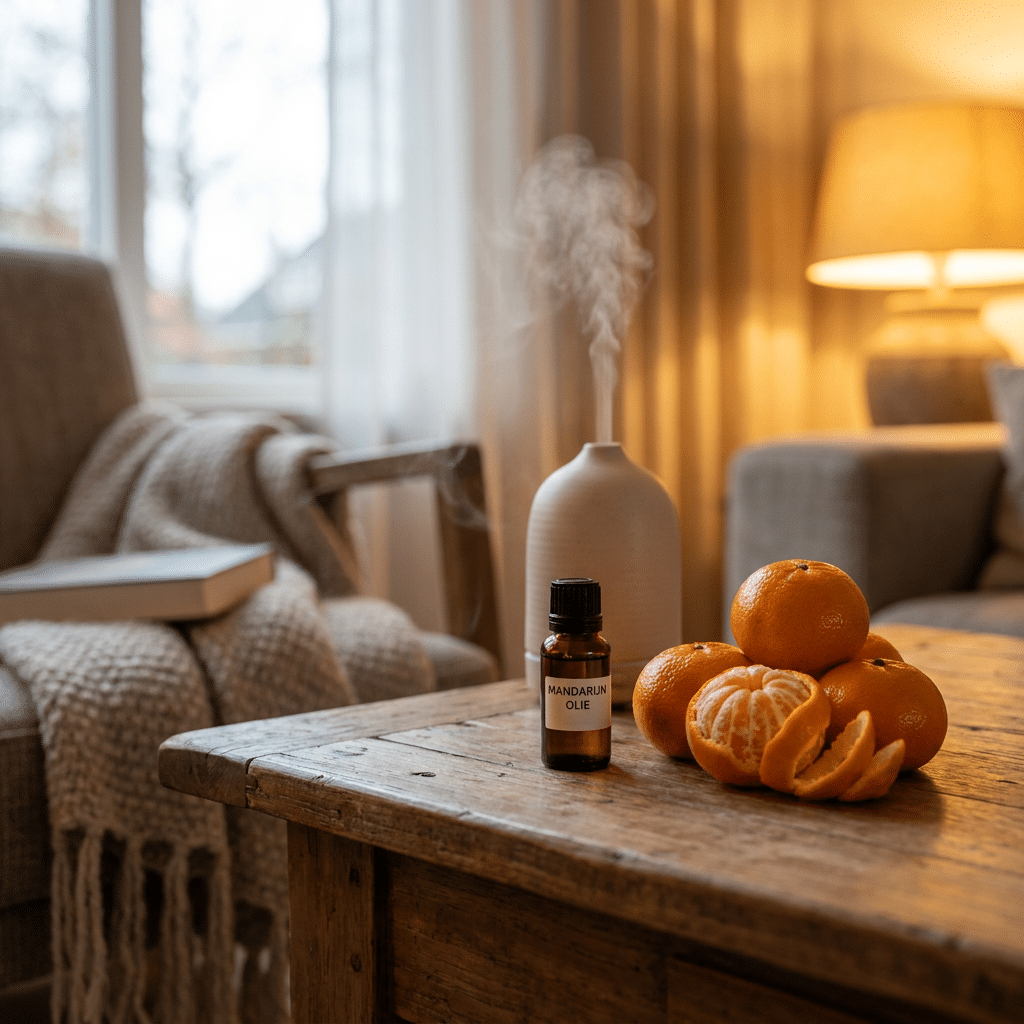

Mandarin oil is a gentle citrus oil extracted from the peel of the mandarin. Its scent is fresh, fruity and slightly sweet, which is why this essential oil is often chosen to create a pleasant atmosphere at home, for a peaceful evening or as a gentle blend for the family. If you’re looking for information about mandarin oil, its effects in aromatherapy or safe use on the skin, you’ve come to the right place. Below, you can read exactly what mandarin essential oil is, how to use it and what to bear in mind when it comes to dosage and storage. Would you like to find the product quickly or browse similar scents? View the overview Monoeteric essential oils (L–N).
The scent that brings calm and lightness
Anyone who smells mandarin oil usually understands straight away why it is so popular. The scent is sunny and gentle, without the sharp freshness found in some other citrus oils. As a result, mandarin essential oil is often perceived as approachable and comforting. In aromatherapy, the focus is therefore usually on the sensory experience of the scent: a light, pleasant atmosphere during the day or, conversely, a gentler transition into the evening. Many people searching for information on the effects of mandarin essential oil are referring precisely to that sensation – less harsh, more rounded and warm, with a fresh citrus note that doesn’t overpower. You can find more background on these families and their properties under the various citrus scents in the Citrus fragrance profile.
Green or red mandarin oil?
Green mandarin Essential oil is extracted from less ripe fruit and usually smells a bit fresher, greener and livelier. Red mandarin essential oil comes from riper fruit and often has a rounder and sweeter aroma. The base remains the same, but the scent experience is different. If you’re looking for a zesty citrus blend, green mandarin is often a lovely choice. For a gentle, warm evening scent, many people prefer red mandarin.
Mandarin oil at a glance
These are the main properties of mandarin essential oil:
| Characteristic | Explanation |
|---|---|
| Botanical name | Citrus reticulata |
| Part of a plant | The skin of the fruit |
| Winning | Usually cold-pressed from the peel |
| Fragrance profile | Fresh, fruity, smooth and sweet |
| Fragrance note | Top note, so light and immediately noticeable |
| Variants | Green mandarin and red mandarin |
| Origin | Originally from Asia, now also grown in warm Mediterranean regions |
How to use mandarin oil
In a diffuser, by inhalation or on a fragrance stone
Mandarin oil works best in a diffuser. For most devices, 3 to 5 drops is a good place to start, depending on the size of the room and how strong you want the scent to be. On a scent stone, 1 to 3 drops is often enough. We recommend starting with a low dose, as citrus scents spread quickly and a subtle dose is often the most pleasant. Want to know exactly how much you need? Read: How many drops should I put in the diffuser?
You can also ‘cup’ the scent. Put a drop in your hands and rub them together to warm them up. Then cup your hands around your nose and mouth and take a few deep breaths in and out.
In massage oil or a bath
Always dilute mandarin oil in a vegetable oil, such as jojoba, sweet almond or apricot kernel oil, before applying it to the skin; take a look at our Base oils for dilution for suitable options. For a mild body oil, 1% is a good guideline, which works out at about 2 drops of essential oil to 10 ml of carrier oil. When using essential oils in the bath, never add mandarin essential oil directly to the water. Otherwise, the essential oil will float on the water’s surface and may irritate the skin. You should therefore first mix the oil with a neutral bath oil and a generous scoop Himalayan salt. This helps the oil spread more evenly, making it much more pleasant to use.
Combinations that often work well
- Lavender – mild and popular in evening blends
- Neroli – floral, full-bodied and comforting
- Cedar wood – warm and peaceful
- Bergamot or orange – particularly sunny and crisp
- Benzoin – fuller, sweeter and more enveloping
You can find more inspiration and blending tips at Fragrance combinations with essential oils.
Mandarin oil and sleep
Many people search for ‘mandarin oil for sleep’, and that makes sense. Mandarin has a pleasant citrus scent that is less pungent than, for example, lemon or grapefruit. That is why this oil is often chosen for the evening, particularly when combined with lavender or cedarwood. No essential oil can guarantee a good night’s sleep, but a calming scent can help make your evening routine more enjoyable. Try a diffuser blend with 3 drops of mandarin and 2 drops of lavender, about 20 to 30 minutes before bedtime.
Safe use and storage
As with all citrus oils, use sparingly and preferably opt for a fresh product. Pressed mandarin oil can oxidise over time, and older oil may irritate the skin more quickly than fresh oil. You should therefore keep the bottle tightly sealed, in a cool, dark place. If you use mandarin oil regularly on your skin, storing it in the fridge is particularly advisable. Always follow the instructions on the label of the product you are using. See also: Safe use of essential oils.
- Do not apply mandarin oil undiluted to the skin.
- Do not ingest essential oils unless the product is specifically intended for that purpose and you know exactly what you are doing.
- For young children and those with sensitive skin, a much lower dose is advisable.
- Always use the oil in the bath in combination with a bath oil or a base oil containing Himalayan salt.
- If you are unsure – for example, if you are pregnant, have young children or have sensitive skin – choose a low-dose product or seek expert advice.
Frequently Asked Questions
What is mandarin oil good for?
Mandarin oil is mainly used for its scent in aromatherapy. Many people choose this oil to create a light, warm and gentle atmosphere in their home. The scent is well suited to moments of relaxation, evening rituals and blends that should not smell too sharp or overpowering.
Is mandarin oil good for sleep?
Mandarin oil is often chosen for the evening because its scent is soft and rounded. It is not a sleep aid, but many people find the scent helps them wind down more calmly. It is a particularly popular choice for the bedroom or a diffuser, especially when combined with lavender or cedarwood.
How many drops do you use in a diffuser?
For most diffusers, 3 to 5 drops is a good starting point. In a smaller room or if the scent is particularly strong, a smaller amount is often enough. It’s best to start with a small amount and only add more if it’s really necessary.
Can you apply mandarin essential oil undiluted to the skin?
No, we wouldn’t recommend that. Always dilute mandarin oil in a vegetable carrier oil. For gentle application to the body, a ratio of approximately 1% is often a pleasant and safe guideline – that is, about 2 drops to 10 ml of carrier oil.
What is the difference between green and red mandarin essential oil?
Green mandarin comes from less ripe fruit and has a fresher, livelier scent. Red mandarin comes from riper fruit and usually has a sweeter, rounder aroma. Which one suits you best depends mainly on the atmosphere you’re looking for.
Related articles

Update on The Gambia
The first consignment has arrived in The Gambia. We have some great news about our Gambia project! The first consignment of clothes, shoes, toys and other donations has arrived safely in The...
Read more

Himalayan Cedar: keeping your feet firmly on the ground
Himalayan Cedar essential oil has a warm, deep and woody scent. A scent that can help clear your mind for a moment and bring you back to the here and now. The...
Read more
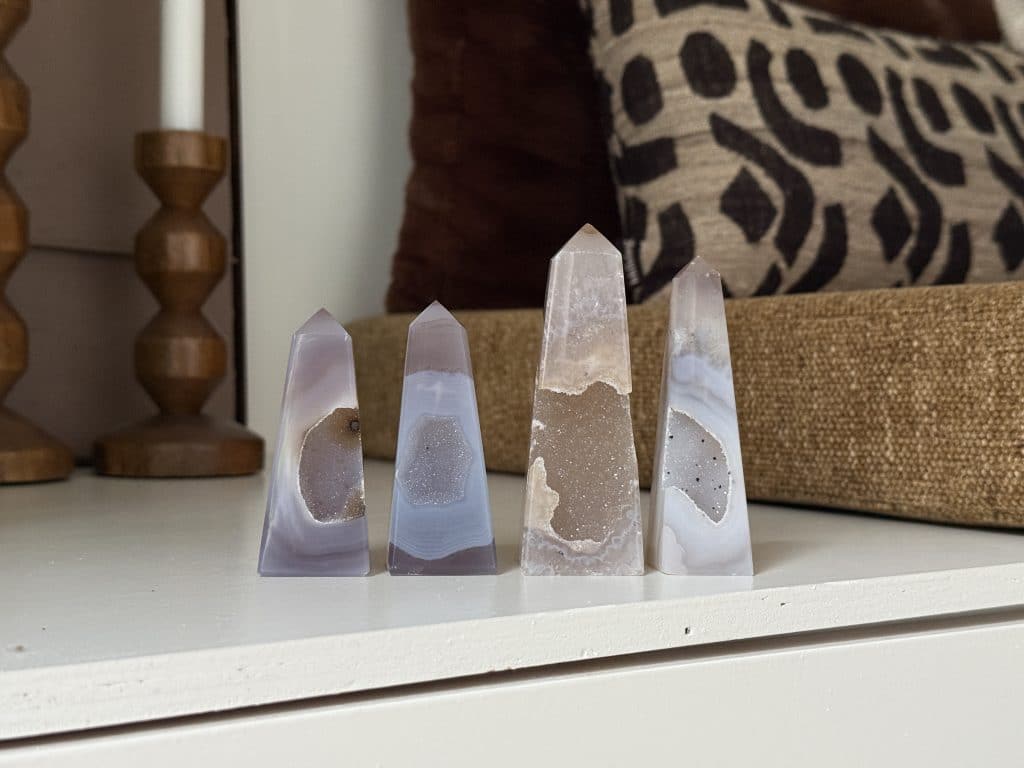
Druzy Agate, a beautiful stone that sparkles
Druzy Agate immediately catches the eye thanks to the thousands of tiny crystals that sparkle in the light. This unique stone combines the grounding properties of agate with a sparkling crystal surface that offers plenty...
Read more